Sportsbook Transformations Through Live Betting and AI Analytics in 2026
Wendy Keller · Aug 19, 2026
Sportsbook Transformations Through Live Betting and AI Analytics in 2026
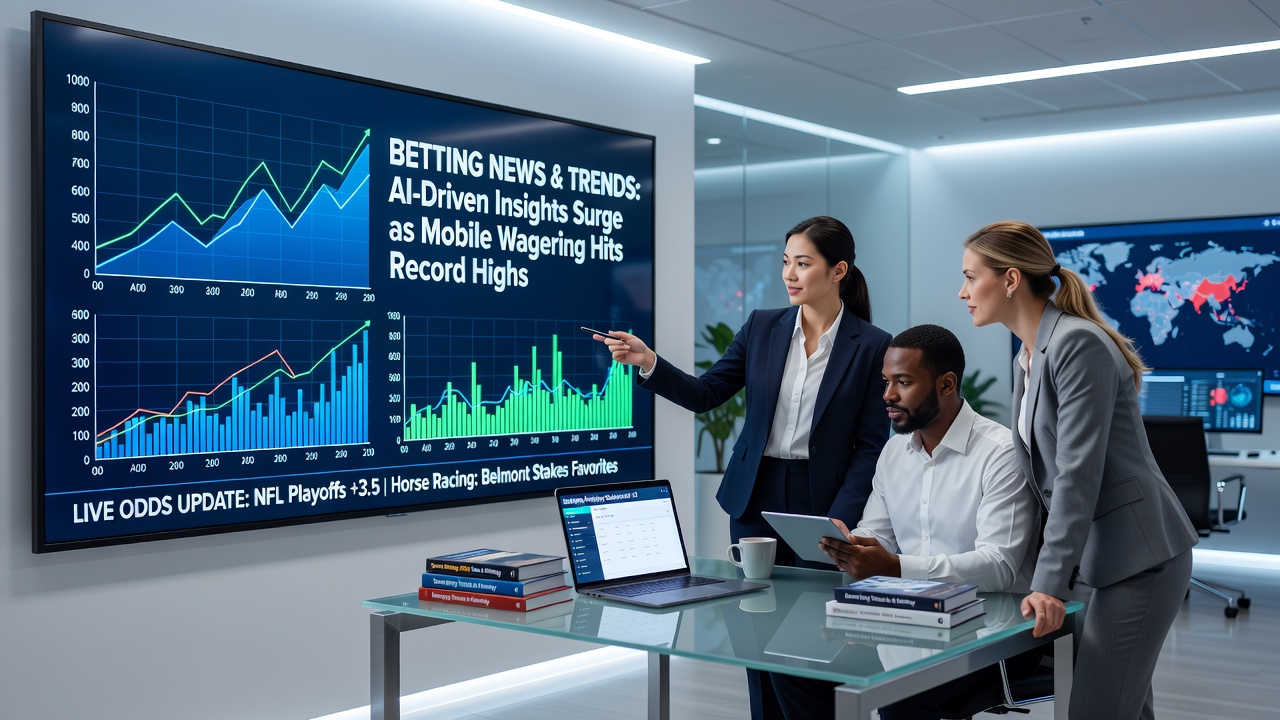
Operators across the industry are expanding live in-play betting options alongside bet builders and combination wagers while integrating AI-driven odds and analytics to deliver personalized promotions through mobile-first platforms, and these developments are gaining momentum from soccer's global reach plus preparations for the 2026 FIFA World Cup.
Research from multiple jurisdictions shows that live betting now accounts for a growing share of total wagers in soccer markets because matches provide continuous opportunities for updated lines on goals, corners, and player performances; data from regulatory filings in Ontario and several European markets indicates that in-play volumes have risen steadily since 2024 as platforms introduce faster refresh rates and additional micro-markets during matches.
Expansion of Live In-Play Betting Markets
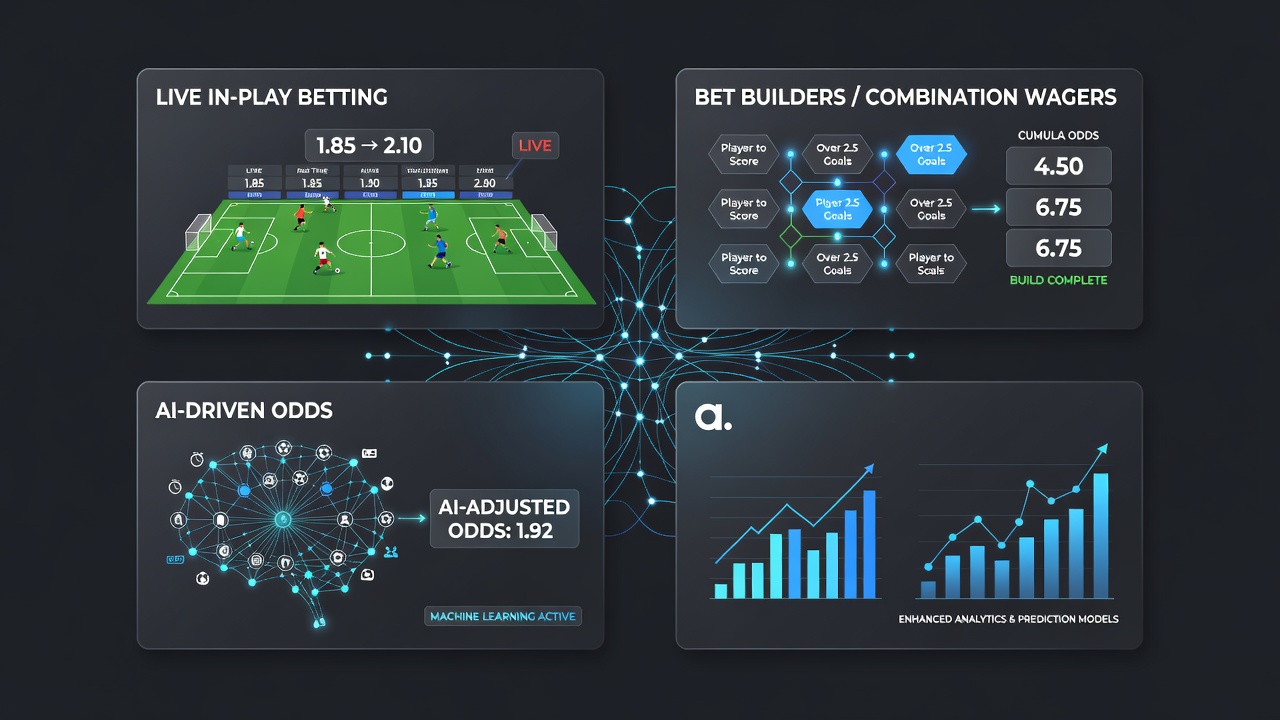
Live betting features allow users to place wagers after events begin, and operators are responding by shortening update intervals to seconds in many soccer fixtures while adding expanded markets such as next-goal timing or defensive actions; this approach supports higher engagement during matches and aligns with the demands of fans who follow games in real time across multiple devices.
Those tracking industry reports note that combination wagers, often labeled as bet builders, enable customers to assemble custom selections from a single match or across events, and platforms are increasing the number of available components because data shows these products generate higher average stakes per user compared with standard single bets.
AI Integration in Odds Setting and User Analytics
AI systems now assist in generating dynamic odds that adjust to incoming data streams including player injuries, weather shifts, and historical performance metrics, and operators report that these tools reduce latency between event changes and price updates while maintaining compliance margins; studies from academic research groups in Australia and North America confirm that machine-learning models improve accuracy in forecasting short-term outcomes within live soccer contexts.
Personalized promotions build on the same data sets by tailoring bonus offers and odds boosts to individual betting histories and preferred sports, and operators state that segmentation algorithms help increase retention rates without expanding overall promotional spend; figures released by provincial regulators show that targeted campaigns have contributed to steadier user activity throughout the calendar year rather than concentrated spikes around major tournaments.
Mobile-First Platforms and Regulatory Pressures
Mobile applications remain the primary access point for most users, prompting operators to prioritize responsive designs that support quick navigation between live markets and account management tools, and industry data indicates that over 80 percent of new account registrations in 2025 occurred via smartphones or tablets in key jurisdictions including parts of Canada and the European Union. Operators emphasize faster updates and expanded markets because competition among licensed platforms has intensified, and regulatory bodies in multiple regions continue to scrutinize advertising claims and responsible gambling features embedded within these mobile environments.
What's interesting is how the upcoming FIFA World Cup is accelerating these shifts, since soccer's popularity drives demand for granular live markets and combination bets on every fixture, and preliminary planning documents from tournament organizers highlight expectations of record global viewership that will translate into higher betting volumes across authorized channels. Observers note that data-driven features allow platforms to offer real-time insights alongside wagers, such as probability percentages derived from AI models, which in turn support informed decision-making while operators maintain required risk controls.
Competitive Landscape and Future Adjustments
Competition among operators has led to broader market offerings in less prominent leagues and youth competitions, and this expansion occurs alongside ongoing regulatory scrutiny that requires transparent disclosure of odds calculation methods and user data usage; reports from research institutions in Asia and South America indicate that jurisdictions with clear licensing frameworks experience steadier growth in licensed betting activity compared with unregulated segments.
Those who've examined operator filings observe that mobile-first strategies also incorporate responsible gambling tools such as session reminders and deposit limits that activate automatically based on user patterns, and these measures satisfy requirements from oversight agencies while preserving the convenience of on-the-go betting. The ball remains in the operators' court to balance innovation with compliance as the 2026 tournament approaches, and preparations include scaling server capacity and refining AI models to handle expected traffic surges during group-stage matches.
Conclusion
Collectively these elements show how live betting, bet builders, AI analytics, personalized promotions, and mobile platforms are reshaping the operational priorities of sportsbooks heading into 2026, and the convergence around soccer events provides a clear timeline for further refinements in speed, customization, and regulatory alignment. Data continues to guide decisions on market expansion and feature development, ensuring that platforms remain responsive to both user preferences and oversight expectations across different regions.