Regional Disparities in Entry-Level Incentives for Interactive Gaming Experiences Across Canadian Jurisdictions
Carlo Keller · Aug 24, 2026
Regional Disparities in Entry-Level Incentives for Interactive Gaming Experiences Across Canadian Jurisdictions
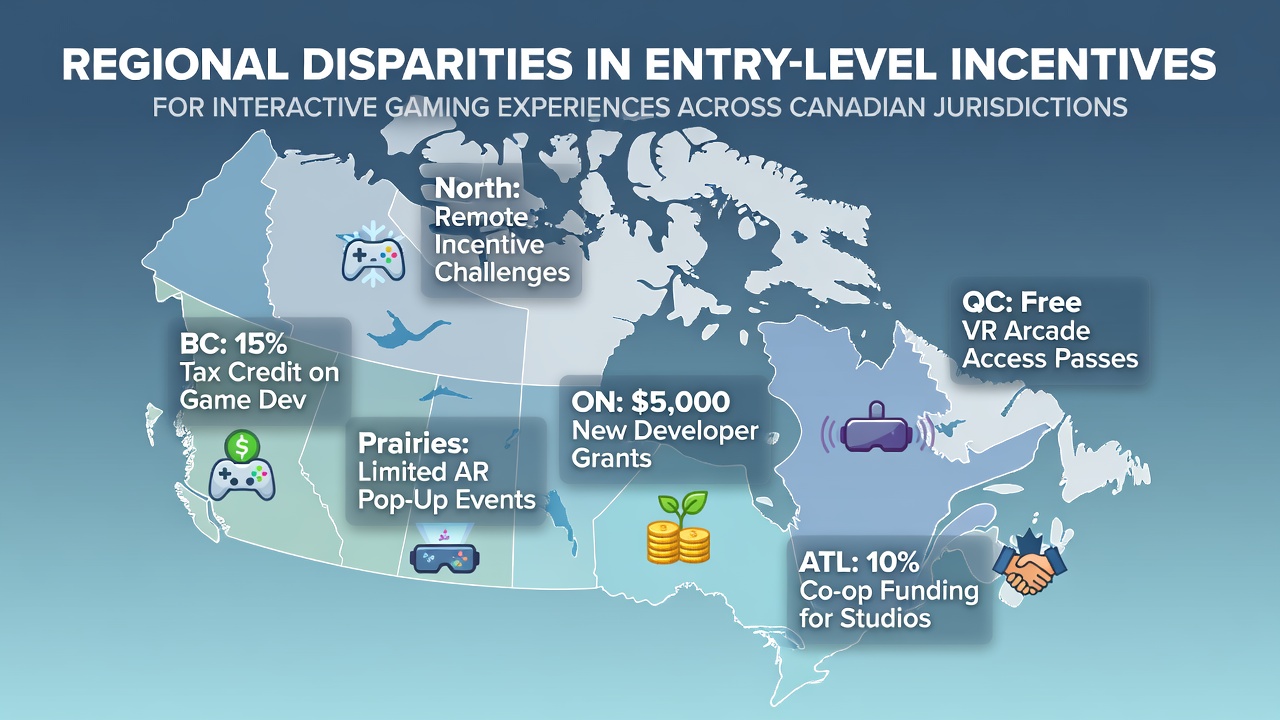
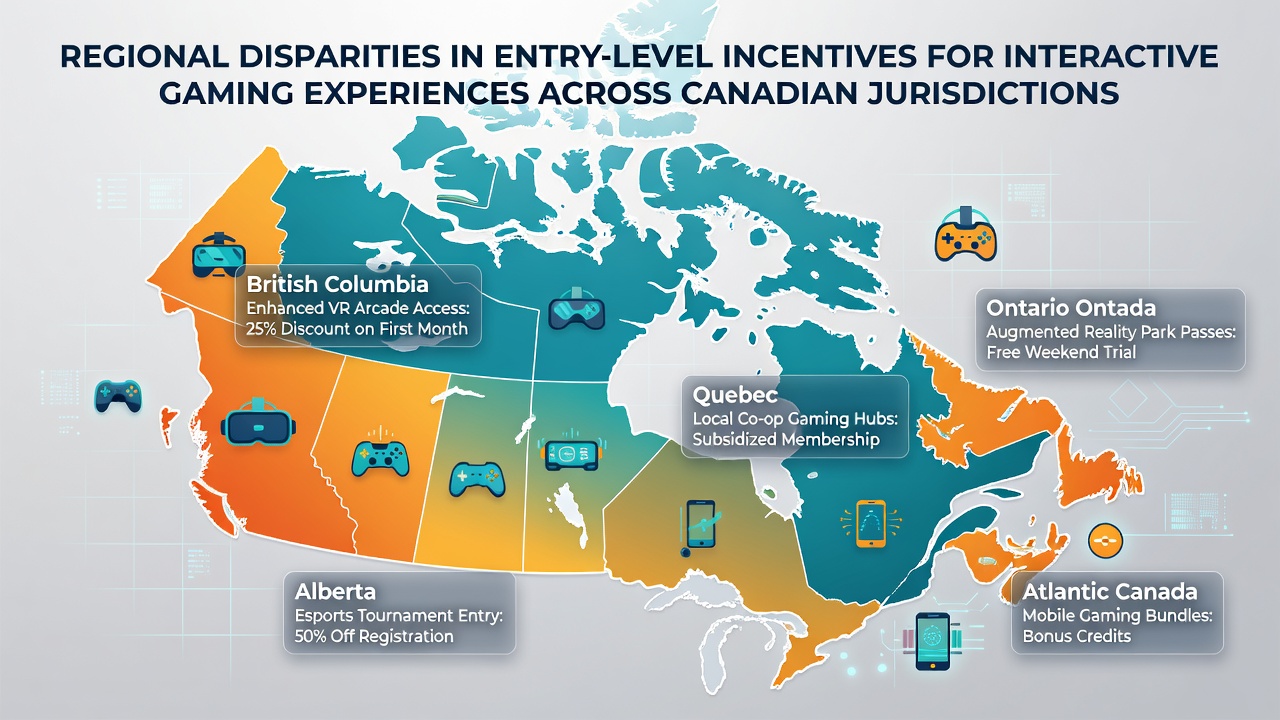
Canadian provinces maintain distinct regulatory frameworks that shape entry-level incentives for interactive gaming platforms, and these differences create measurable variations in welcome offers, deposit matches, and initial bonus structures available to new users. Ontario operates a fully regulated iGaming market through iGaming Ontario, where operators must adhere to specific standards on promotional offers, whereas other jurisdictions rely on different oversight models that permit or restrict certain incentive types. Data from provincial reports indicates that bonus amounts and wagering requirements diverge significantly depending on the region, with some areas allowing higher initial deposit matches while others impose stricter limits tied to responsible gaming measures.
Ontario's Regulated Market Structure
Ontario launched its regulated online gaming framework in 2022, and by August 2026 the market featured standardized rules around entry incentives that operators must follow when attracting new players. Research from the Alcohol and Gaming Commission of Ontario shows that welcome bonuses often include deposit matches up to specified caps combined with free spins or bonus funds, yet these offers carry defined wagering requirements that operators publish clearly. Operators in this jurisdiction compete within a licensed environment where transparency rules apply to all promotional terms, and figures reveal average entry bonuses ranging from 100% to 200% on first deposits with caps that vary by platform. Those who examine operator data note that eligibility often requires account verification and a minimum deposit threshold before incentives activate.
Quebec and British Columbia Approaches
Quebec manages interactive gaming through Loto-Québec, which maintains its own set of promotional guidelines that differ from Ontario's model, and this creates disparities in the scale of entry-level offers available to residents. British Columbia operates via BCLC, where incentive structures emphasize player loyalty programs alongside initial bonuses, and studies from provincial gaming authorities indicate that bonus values and playthrough conditions reflect local regulatory priorities. Observers note that Quebec platforms sometimes feature lower maximum bonus amounts compared to Ontario operators, whereas BCLC-affiliated sites integrate incentives with broader responsible gaming tools that affect how new users access entry rewards. Data shows these differences influence the overall value proposition for individuals signing up in each province.
Western and Prairie Province Variations
Alberta and Saskatchewan present further contrasts in how entry incentives appear for interactive gaming experiences, with Alberta's regulatory environment allowing operators to structure deposit matches and bonus credits in ways that align with provincial policies. Saskatchewan follows a distinct path through its own oversight body, and evidence from industry reports highlights that initial offers in these areas may include different combinations of cashback or free play credits that do not always match the deposit percentages seen in Ontario. Experts have observed that wagering requirements in prairie provinces sometimes extend longer than those in regulated eastern markets, which affects the practical value of entry incentives for new participants. Figures from 2026 demonstrate these regional patterns through comparisons of average bonus sizes and eligibility criteria published by licensed providers.
Atlantic Canada and Northern Territories Patterns
Atlantic provinces and northern territories operate under frameworks that produce additional disparities in entry-level incentives, with some regions limiting promotional activities more tightly than others. Data indicates that operators serving these areas often adjust bonus structures to comply with local rules, resulting in variations in deposit match percentages and bonus fund availability. Those who've reviewed regulatory updates note that northern territories may feature fewer licensed platforms overall, which narrows the range of entry incentives compared to more developed markets in central Canada. Research indicates these differences stem from distinct legislative approaches rather than uniform national standards.
Comparative Data Across Jurisdictions
Comparative analyses conducted by gaming research groups reveal clear patterns in how entry incentives differ by province, including variations in maximum bonus values, minimum deposit amounts, and the types of games eligible for promotional play. According to reports from the Alcohol and Gaming Commission of Ontario, Ontario operators publish detailed terms that align with provincial transparency requirements, while other jurisdictions apply different disclosure standards. A separate study referenced by the Australian Institute of Criminology highlights how regional regulatory models influence incentive design, and these findings align with observed Canadian patterns where provinces balance player protection with market competition. Figures from 2026 show that incentive disparities persist even as more provinces refine their approaches to interactive gaming.
Conclusion
Provincial differences in regulatory oversight continue to produce measurable disparities in entry-level incentives for interactive gaming across Canada, with each jurisdiction applying its own standards to bonus structures, wagering requirements, and promotional terms. These variations reflect local policy choices rather than a single national framework, and data from August 2026 confirms ongoing differences in how new users encounter initial offers depending on their province of residence. Observers note that tracking these regional distinctions provides insight into how regulatory environments shape the interactive gaming landscape over time.