Provincial Licensing Effects on Loyalty Tier Structures for Mobile Sports Wagering in Atlantic Canada
Klara Zimmermann · Aug 21, 2026
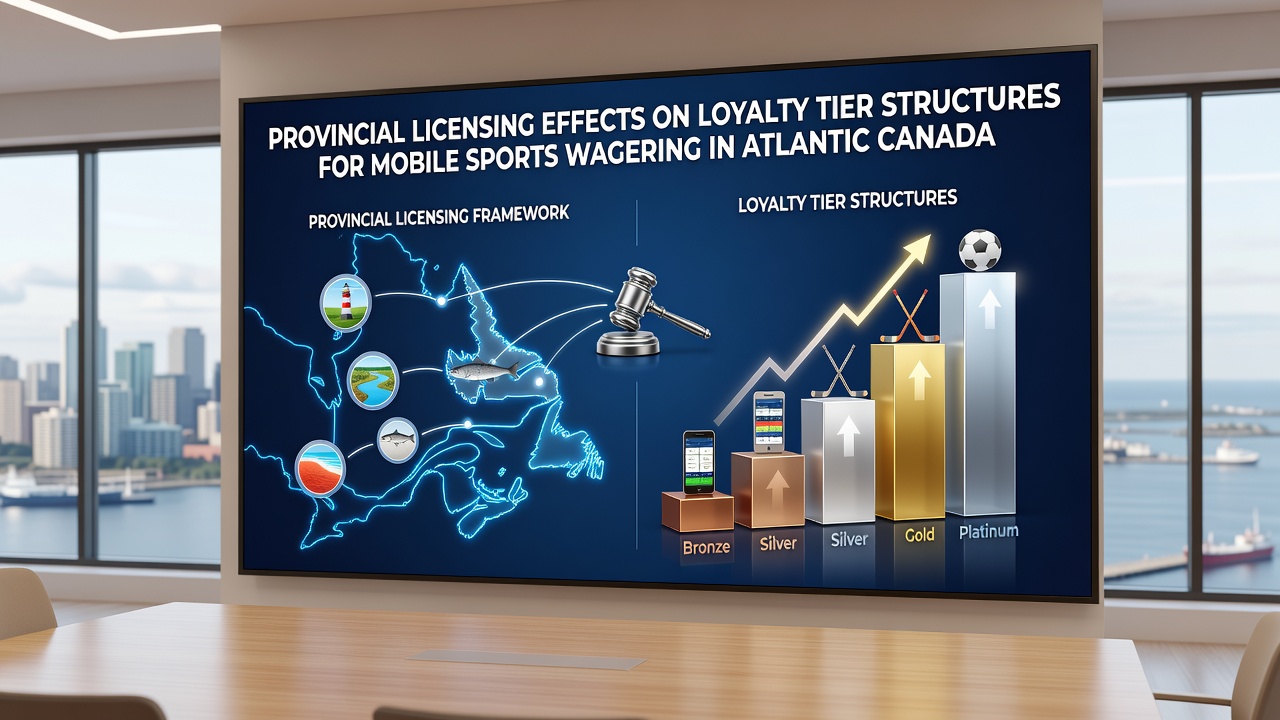
Provincial Licensing Effects on Loyalty Tier Structures for Mobile Sports Wagering in Atlantic Canada
Provincial licensing regimes across Atlantic Canada shape the way operators design loyalty tier structures for mobile sports wagering, with each province imposing distinct compliance requirements that directly affect reward accumulation, redemption rules, and tier advancement criteria. Nova Scotia, New Brunswick, Prince Edward Island, and Newfoundland and Labrador each maintain separate regulatory frameworks that operators must satisfy before launching or expanding mobile platforms, and these rules frequently dictate how loyalty programs can function without violating responsible gaming standards or market conduct guidelines.
Data from recent industry filings indicate that licensed operators in the region have adjusted tier thresholds upward in response to provincial mandates requiring greater transparency around bonus wagering requirements. These adjustments often result in slower progression through bronze, silver, gold, and platinum levels for mobile users, since regulators require clear documentation of all point-earning mechanics and prohibit certain high-frequency bonus triggers that previously accelerated tier movement.
Regulatory Differences Across Atlantic Provinces
Each Atlantic province applies its licensing conditions differently when it comes to loyalty program oversight, creating a patchwork of rules that multi-province operators must navigate. In Nova Scotia, for example, gaming authorities require pre-approval of all tier benefit descriptions before they appear in mobile applications, whereas New Brunswick focuses more on post-launch audits of actual reward distribution rates. Prince Edward Island and Newfoundland and Labrador have introduced additional reporting obligations that track how loyalty points correlate with wagering volume, forcing operators to segment their tier structures by user location to maintain compliance.
Observers note that these variations force operators to maintain separate loyalty ledgers for users in different provinces, even when the same mobile application serves the entire region. This segmentation adds administrative layers but ensures that tier benefits remain consistent with each province's licensing conditions, particularly around maximum bonus values and play-through multipliers.
Impact on Mobile User Tier Progression
Mobile sports wagering platforms have seen measurable shifts in tier progression patterns since provincial licensing bodies strengthened their review processes in 2025. Research indicates that average time to reach gold tier increased by several weeks in licensed markets because operators removed instant tier-up bonuses that previously bypassed standard point accumulation. Instead, many platforms now tie advancement directly to verified mobile deposit activity and sustained wagering over defined periods, aligning with provincial demands for traceable player behavior data.
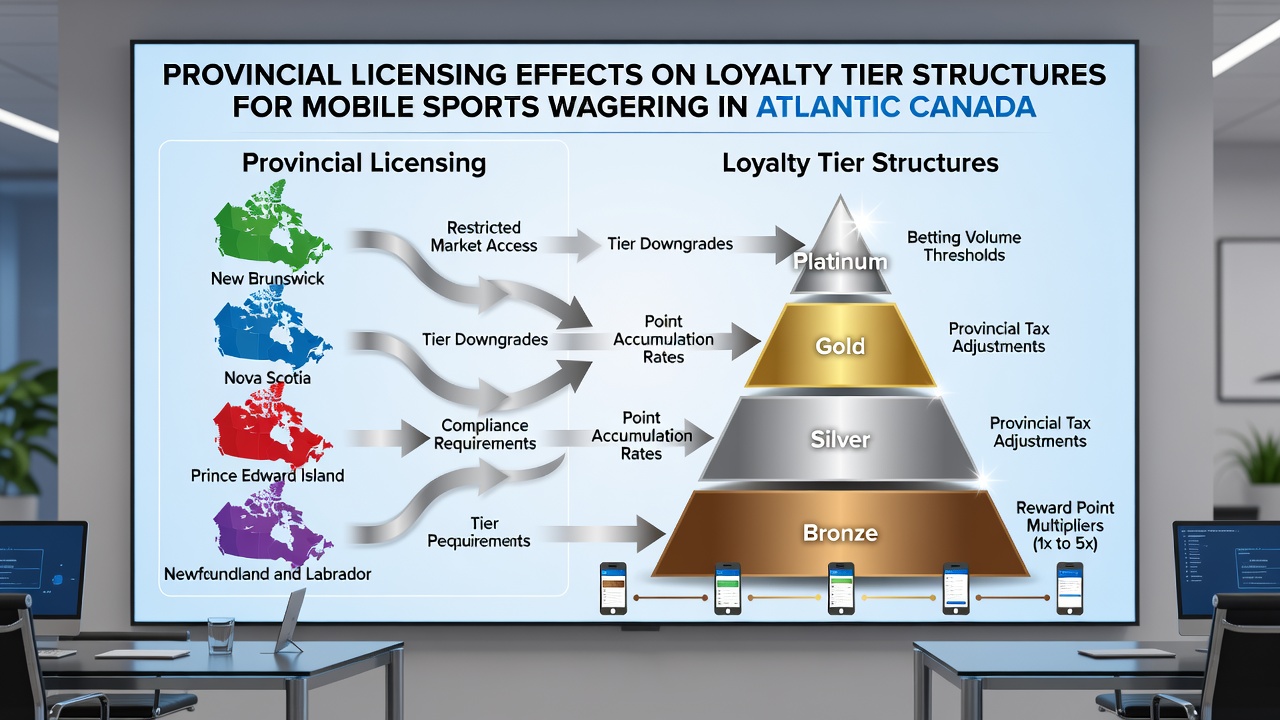
Those who have examined operator filings report that silver tier users in Atlantic Canada now receive more modest reload bonuses compared with pre-licensing periods, as regulators limit the percentage of deposits that can convert into loyalty rewards. This change stems from requirements that operators demonstrate how loyalty structures do not encourage excessive play, a condition embedded in most current provincial licenses. Operators have responded by extending the validity period of earned points and introducing tier-specific cashback rates that scale gradually rather than jumping at each level.
August 2026 Framework Updates
Scheduled updates taking effect in August 2026 will require operators to submit updated loyalty program documentation to each provincial authority, with particular attention to how mobile-specific features such as push notifications and in-app challenges interact with tier systems. These updates aim to standardize disclosure formats across the region while preserving individual provincial authority over approval. Industry reports suggest that operators are already testing revised tier structures that incorporate location-based verification to ensure users only access benefits permitted in their licensing jurisdiction.
According to Canadian Centre on Substance Use and Addiction analyses, these forthcoming requirements build on existing responsible gaming protocols and may lead to further refinement of tier eligibility windows. Operators have begun adjusting point expiration policies and minimum activity thresholds in anticipation of the August 2026 deadline, creating a transitional period where mobile users may experience temporary changes to their current tier status.
Operator Adaptations and Data Requirements
Licensed operators have invested in backend systems capable of generating province-specific loyalty reports on demand, a direct response to regulatory requests for granular data on tier movement and reward redemption. This infrastructure allows platforms to maintain a unified mobile interface while enforcing different tier rules based on a user's registered province. Data shows that such systems have reduced compliance incidents related to unauthorized bonus offerings, particularly for users crossing provincial boundaries during travel.
One study revealed that operators serving multiple Atlantic provinces now allocate additional compliance staff to monitor how loyalty tiers interact with self-exclusion lists and deposit limit tools, since provincial licenses tie these features together. The resulting tier structures often include built-in pauses on point accumulation once a user reaches certain spending thresholds, satisfying both licensing conditions and player protection objectives.
Conclusion
Provincial licensing continues to exert direct influence over loyalty tier structures in Atlantic Canada's mobile sports wagering market, producing measurable differences in how operators award benefits and track user progression. As the August 2026 updates approach, operators are refining their systems to meet evolving disclosure and reporting standards while preserving competitive tier offerings across the region. The interplay between licensing conditions and loyalty mechanics remains a central factor in platform design for this market.