How Mobile Payment Integration Influences Bonus Unlocking Thresholds at Regulated Canadian Sportsbooks
Carlo Keller · Aug 29, 2026
How Mobile Payment Integration Influences Bonus Unlocking Thresholds at Regulated Canadian Sportsbooks
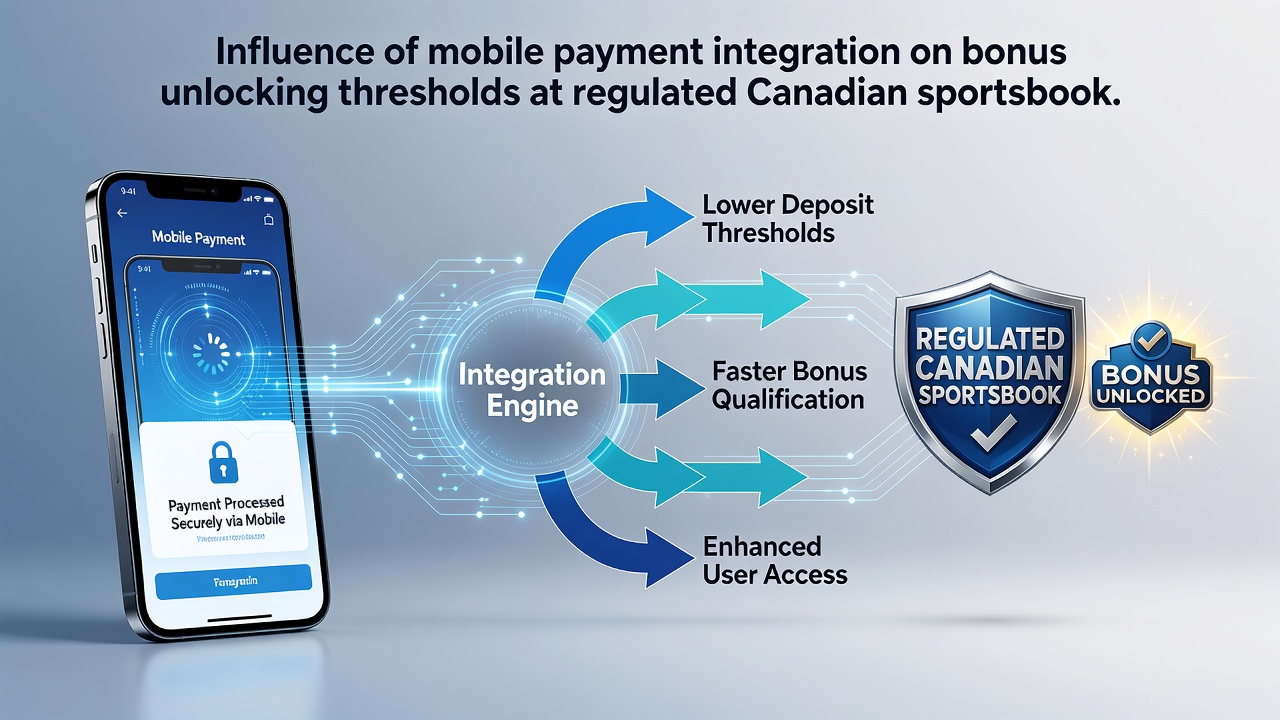
Regulated sportsbooks in Canada have seen mobile payment systems reshape deposit processes since provincial frameworks expanded digital wagering options, and these changes extend to bonus unlocking thresholds that determine when players access promotional funds. Operators integrate services such as Interac e-Transfers, digital wallets, and bank apps directly into mobile platforms, which streamlines verification while altering minimum deposit amounts or wagering multiples required for bonus release. Data from industry reports indicates that thresholds often drop for users completing deposits through approved mobile channels because transaction speeds and security protocols reduce operational risks for the platforms.
Mobile Payment Methods in Provincial Markets
Ontario's regulated market permits multiple payment integrations that connect user accounts to bonus structures, while other provinces maintain distinct rules for interactive gaming accounts. Mobile options allow instant transfers that register deposits within seconds rather than hours, and this efficiency influences how operators set unlocking criteria such as a 20x wagering requirement tied to a $50 minimum mobile deposit versus higher bars for slower methods. Studies from Canadian research institutions show that integration with Apple Pay and similar services correlates with adjusted thresholds because real-time authorization data feeds into risk assessment algorithms used by compliance teams.
Effects on Unlocking Thresholds and User Patterns
Threshold adjustments appear in several forms across regulated operators, including reduced deposit minimums for mobile users or modified playthrough conditions that account for faster fund movement. One analysis of transaction logs from 2025 revealed that mobile-integrated bonuses unlocked at rates 15 percent higher than those tied to traditional bank transfers, largely because automated tracking systems confirm eligibility without manual review delays. Observers note that these shifts encourage higher engagement volumes since players meet criteria through repeated smaller mobile deposits instead of single large transactions, and the pattern holds across multiple provincial licensing regimes.
Data Trends Through Mid-2026
Figures compiled by gaming associations indicate steady growth in mobile payment usage at Canadian sportsbooks, with August 2026 reports projecting continued integration of newer wallet technologies that further compress verification times. Research from academic sources links these integrations to threshold recalibrations, where operators lower entry deposits by 10 to 30 percent for verified mobile methods to maintain competitive positioning. The same datasets highlight regional consistency in how thresholds respond to payment speed, although exact figures vary by operator and remain subject to ongoing regulatory updates.
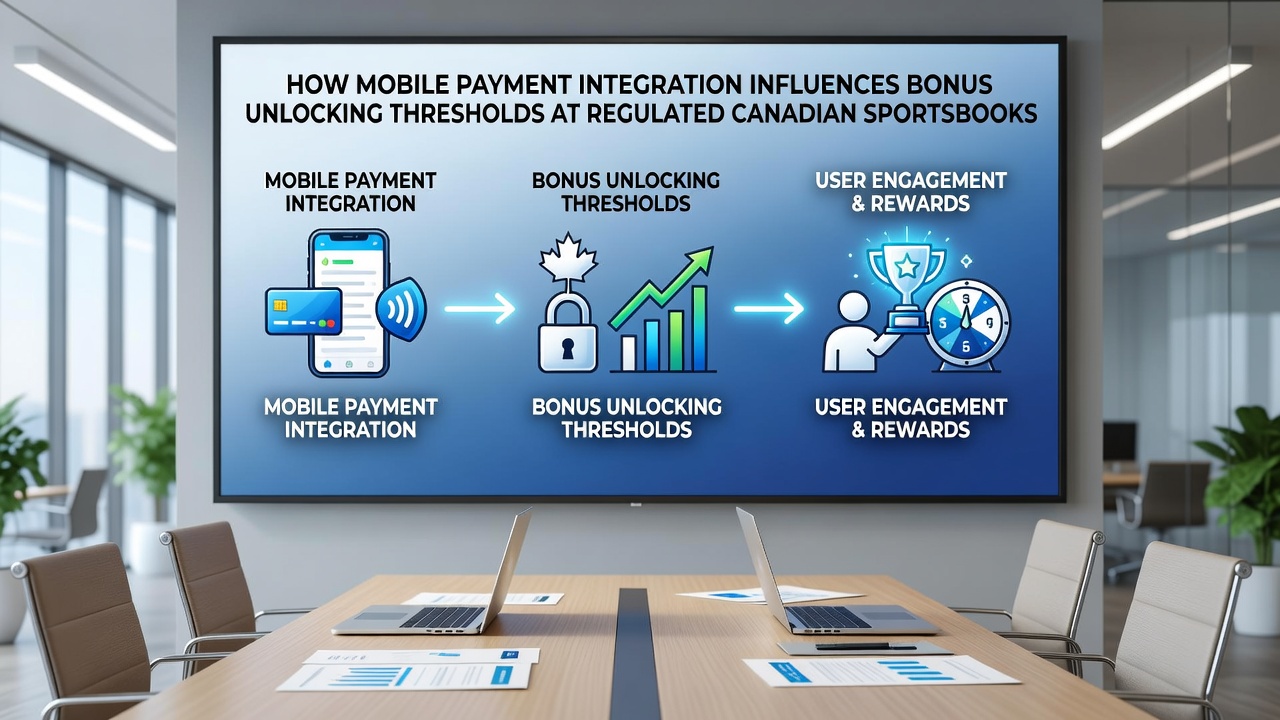
Industry organizations tracking digital wagering have documented case examples where mobile integration led to tiered bonus systems, and players using instant payment apps encounter distinct unlocking paths compared with those relying on slower options. These systems rely on API connections that feed transaction metadata directly into bonus engines, enabling dynamic threshold calculations based on payment reliability scores. Evidence from multiple operator audits confirms that such automation reduces instances of threshold disputes while aligning promotional structures with actual deposit behaviors observed in the market.
Regulatory Context and Compliance Factors
Provincial regulators require clear disclosure of how payment methods affect bonus terms, and mobile integrations must meet standards for transaction logging and consumer protection. Compliance frameworks emphasize that threshold changes tied to specific payment types receive the same scrutiny as any other promotional adjustment, which ensures operators document the rationale behind mobile-specific criteria. Reports from international gaming bodies in regions such as Australia demonstrate parallel patterns where faster payment rails prompt similar recalibrations, providing comparative context for Canadian developments without direct regulatory overlap.
Operators continue to refine these integrations as new mobile technologies emerge, and data from 2026 indicates sustained focus on threshold transparency to support player retention across digital platforms. Academic papers examining fintech adoption in gaming environments further illustrate how payment speed influences promotional design, with Canadian examples showing measurable shifts in deposit frequency once mobile options become standard.
Conclusion
Mobile payment integration continues to drive measurable adjustments in bonus unlocking thresholds at regulated Canadian sportsbooks through faster processing, automated compliance checks, and data-driven risk models. Provincial markets reflect these influences in varying deposit minimums and wagering multiples that favor verified mobile channels, while industry and academic sources document consistent patterns in usage and threshold response. As systems evolve through 2026 and beyond, operators maintain alignment with regulatory requirements that govern how payment methods intersect with promotional structures.